
Posts Tagged ‘austell’
Dental Checklist for Infants

1. Schedule a Dental Visit by Age 1 Your child should see a dentist by their first birthday or within six months of the first tooth erupting. Early visits help build comfort with dental care and allow your dentist to catch any early concerns. 2. Clean Your Baby’s Gums Before the first tooth even appears,…
Read MorePrevention: Let It Shine

While lasers were at one time just material for science fiction writers, they’ve become a common part of our everyday life. They zap through your groceries, they open garage doors … and now they can detect wear and tear on your tooth’s surface before it becomes a cavity. Is it caries [cavity]? Or is it…
Read MoreCan Teenagers get Gum Disease?
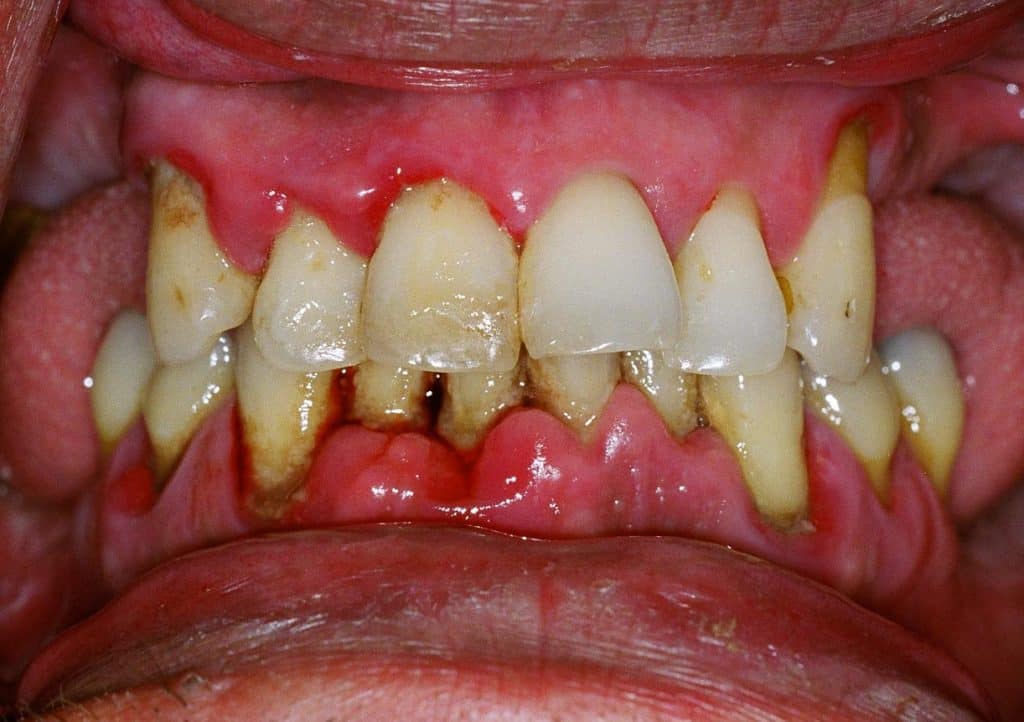
Can Teenagers Get Gum Disease? Gum disease might seem like something only adults get, but the truth is it affects people of all ages. In fact, TeenHealth.com reports that 60 percent of 15-year-olds have gingivitis, the early stage of gum disease. Other studies show that teenage girls may be even more vulnerable to gum disease…
Read MoreIs Oral Piercings Safe?

Oral piercings, whether on the tongue, lips, or cheeks, have become a popular form of self-expression among teens and young adults. But just because they’re trendy doesn’t mean they’re risk-free. The mouth is a warm, moist environment, making it the perfect place for bacteria to thrive. As a result, oral piercings come with a heightened…
Read MoreNitrous Oxide: A Quick Fix for Dental Fear
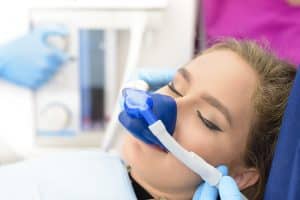
Sometimes it’s not enough to have a great dentist, caring dental staff and soothing office environment – you or your children may still feel anxious about dental visits. That’s why many dentists use nitrous oxide; it helps calm patients of all ages – from timid tykes to anxious adults. Nitrous oxide (also known as “laughing…
Read MoreX-Rays: Yes or No?

While we share your concerns about potential risks from too much exposure to radiation, x-rays [radiographs] are a necessary part of the dental health process. Our philosophy is that x-rays should not be routine but utilized when they will contribute to diagnosis or treatment of oral disease. Of course, we will cover you with appropriate…
Read MoreSnoring: Can you do Anything about it?

Snoring is a widespread problem, affecting 30-45% of the population. When you take into account those that are disturbed by it, spouses and children, that number will double. It can have social consequences, disrupting marriages and roommate relationships. Snoring can also have medical consequences, preventing “a good night’s sleep” so individuals wake up fatigued, or…
Read MoreSmoking And Your Mouth
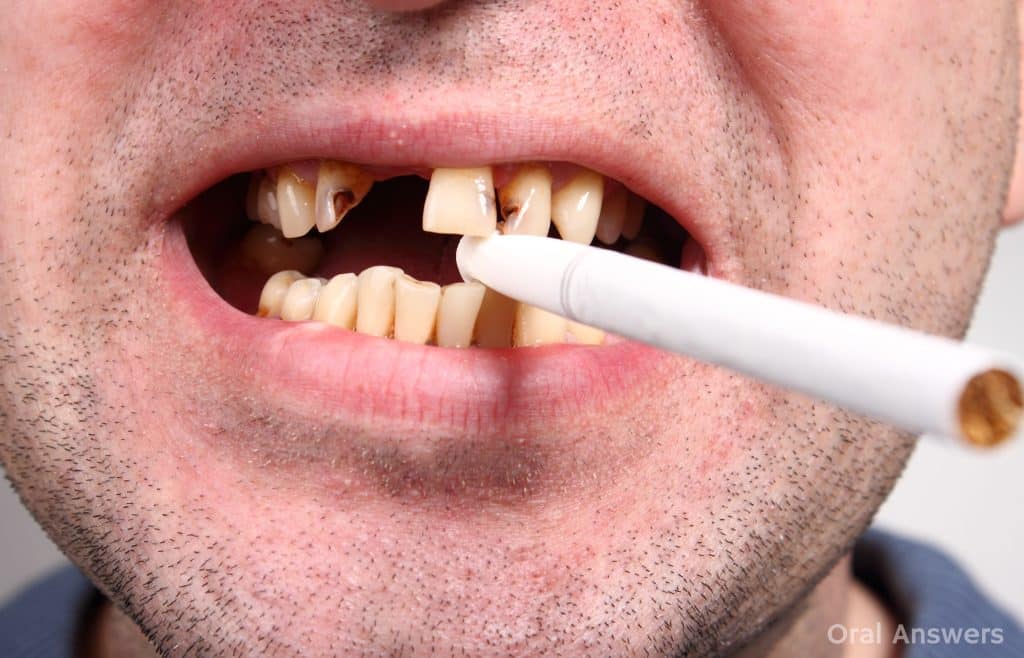
It would be paradoxical to use the word “smoking” and the phrase “good oral health” in the same sentence. They just don’t go together. Not only does smoking leave brown stains and sticky tar deposits on your teeth or dentures, but it contributes to halitosis [bad breath]. It’s not uncommon to see red inflammation on…
Read MoreThe Headache Question

Chronic head and neck symptoms are often linked to specific muscle strain, including: Headaches – caused by tension in the temporalis muscle, which helps close and clench the jaw Sinus pressure and pain – often related to the lateral pterygoid muscles, which move the jaw side to side and forward Neck stiffness and discomfort –…
Read MoreA Crowning Achievement

When too much tooth structure has been lost due to decay or fracture, the best treatment choice to restore the tooth to normal function and cosmetic appearance is often the fabrication of a crown [cap]. Crowns are usually made of porcelain fused to metal or all-ceramic depending on the situation and judgment of the dentist.…
Read More